Finnish company innovates luxury products from used flip-flops
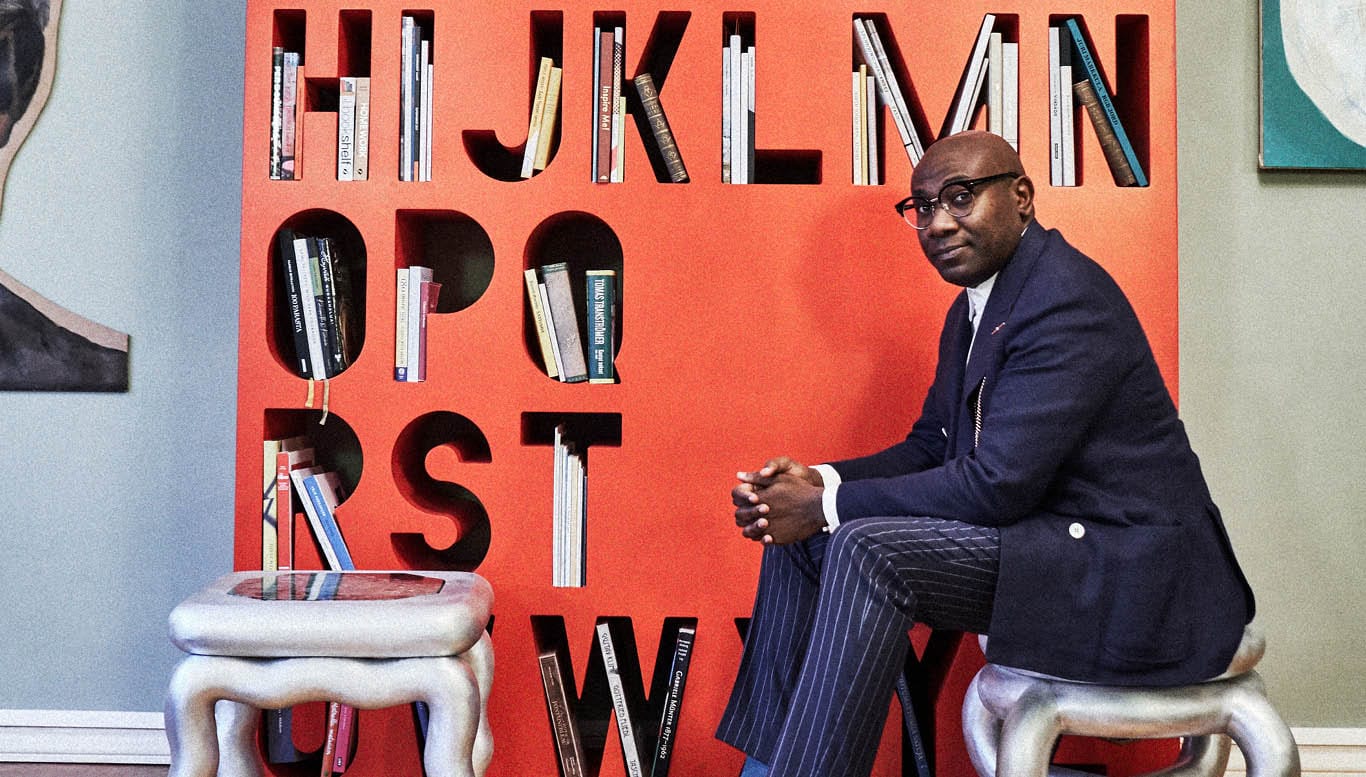
Kayiwa Oy manufactures design items in Africa from recycled plastic and glass waste. In a project supported by Finnpartnership, used flip-flops were innovated into unique furniture.
Plastic sandals are popular footwear in Kenya and throughout Africa, but when discarded, flip-flops become an environmental problem. However, they can be collected and used to manufacture designer products. This also provides employment for local artisans and saves virgin raw materials.
This sums up the business idea of industrial designer Lincoln Kayiwa, which he set out to implement in a project supported by Finnpartnership. “My goal was to combine Finnish design expertise with African craft traditions and bring unique, responsibly manufactured products to Western markets,” Kayiwa explains.
Partners found in Ghana and Kenya
Lincoln Kayiwa’s design studio, Kayiwa Oy, specialises in collectible furniture and home accessories, which the company sells through retailers to international markets.
With the support of Finnpartnership, he set out to expand his product range from two African countries. In Ghana, he already knew Nomoda E. Djaba, a glass artist who had made glass beads for Kalevala Koru, among others. “My idea was to combine traditional and new production methods in the manufacture of larger glass objects,” says Kayiwa.
In Kenya, Kayiwa found a partner in the Ocean Sole company. This non-profit social enterprise specialises in collecting flip-flops from the shores of the sea and inland waters and in using them to make handicrafts.
In a project supported by Finnpartnership, Kayiwa tested the suitability of recycled materials for the manufacture of high-quality design objects. The main idea was that by using plastic and glass waste, the emissions from the product would be a fraction of those from the use of fossil raw materials. “Then the coronavirus pandemic hit, and it became impossible to continue the project as it was not possible to travel to the local partners.”
Finnpartnership’s support enabled continuation
Once the pandemic had subsided, Kayiwa was able to continue its unfinished work in a new project. With Finnpartnership’s support, the company drew up a business plan and a preliminary study assessing the functionality of its business, development needs, and the suitability of its partners. At the same time, the partners’ human resources and training needs were assessed to ensure the conditions for successful implementation. “Finnpartnership’s support was important, as I would not have taken the risk of investing in such a project, at least for the time being.”
In Ghana, Kayiwa worked with a partner to develop a production process in which recycled glass powder is used in a kiln casting process to make finished products. The first products to be launched on the market are designer plates, which were added to the range of Swedish company Svenskt Tenn. The products are manufactured at the Nomoda Djaba workshop, which employs 12 artisans.
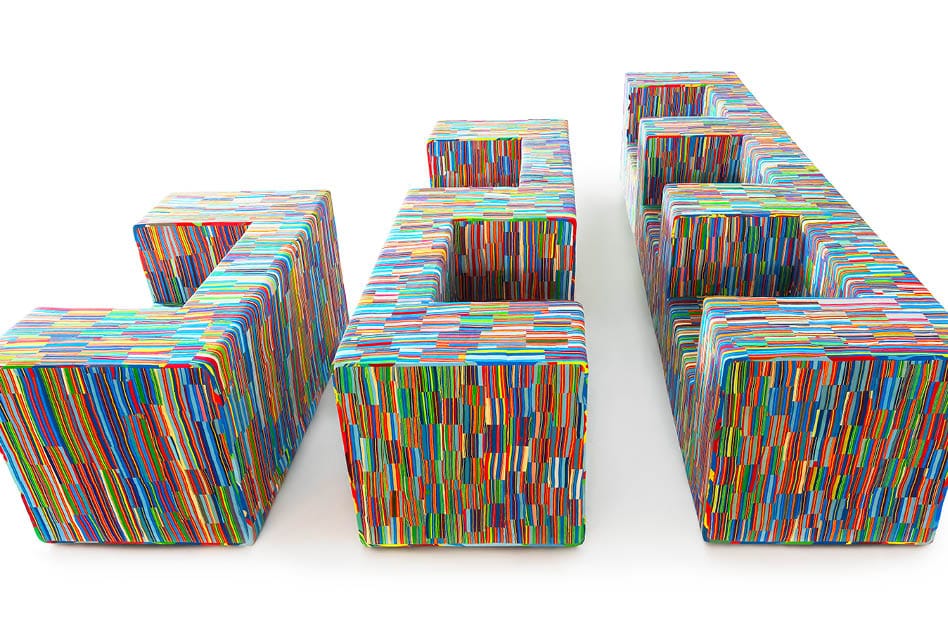
The prototypes designed by Kayiwa were selected together with Ocean Sole for production. The first products are large sofas and armchairs made from recycled flip-flops.
According to Lincoln Kayiwa, the artisans already had good skills in making smaller items, but the manufacture of furniture costing thousands or even tens of thousands of euros required training. This ensures that the quality of the luxury products meets the criteria of demanding customers.
Ocean Sole buys recycled footwear from collectors. Most of them are women and young people. The company employs about 100 people, most of whom are women with low levels of education. The company also employs staff with higher levels of education, for example in product development and administrative tasks.
The United States is the most promising market
Lincoln Kayiwa, originally from Uganda, studied design at Makerere University in Kampala and became familiar with Finnish design during his studies. Inspired by this, he decided to apply to study at the University of Art and Design, now known as Aalto University. After graduating, he founded his own design agency in Helsinki.
He sells his design products through retailers, the most popular of which are drinking glasses and various ergonomically designed household items. Kayiwa is also able to leverage existing channels and partners in the sale and marketing of Ghanaian glassware and Kenyan furniture, through which his design items have been sold in Europe and the United States for a long time. “The United States is our most promising market, as there are more collectors there who purchase expensive design items.”
Images: KAYIWA
Share on social media