Education creates the conditions for lasting development
Finnpartnership supports projects led by Finnish companies in developing economies, where training and education play a central role. The skills created through these projects remain within the local communities long after the project ends.
Education is vital for the development of developing countries, as it improves employment prospects, promotes economic growth and reduces poverty. This is why capacity building is an essential component in nearly all projects supported by Finnpartnership in developing countries.
“Education is a form of capital that cannot be taken away. The skills gained continue to benefit individuals and the community even after a project has been completed,” emphasises Birgit Nevala, Programme Director at Finnpartnership.
Finnish companies make use of Finnpartnership funding to train their staff and partners in the target country. A good example is the machinery and equipment company Normet, which has developed a training model in India to prepare new factory workers for their roles and ensure safe working practices. The project’s partner was the Ylä-Savo Vocational College (YSAO).
Educational cooperation through business initiatives
Finnpartnership also supports education-sector projects aimed at improving the quality of education in partner countries, from early childhood education to higher education.
“Education-sector projects have long been one of the largest categories of initiatives supported by Finnpartnership. In 2024–2025, 25 such projects received funding,” says Nevala.
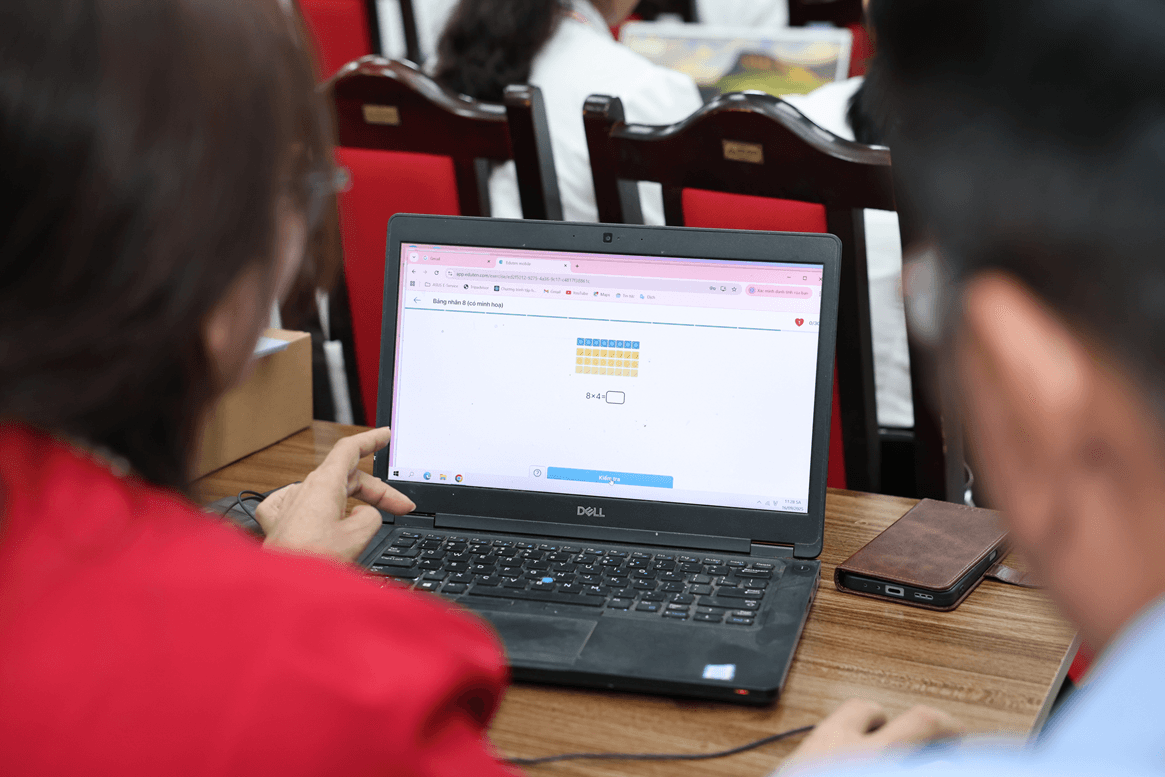
In Vietnam, for example, Finnpartnership supports a project by the Finnish company Eduten: together with the national education authorities and UNICEF, the company is piloting a new digital learning platform for mathematics and training teachers in digital pedagogy.
Risto Vahanen is an investor and shareholder in around ten education-sector companies operating across Africa and Asia. These companies have used Finnpartnership funding for activities such as market assessments in new countries and training local staff.
“I believe education is the greatest lever for achieving real change. We should deepen our cooperation with developing countries even further,” Vahanen says.
He sees business activity as one way in which Finnish expertise can help improve education systems globally. Instead of traditional education exports, he emphasises partnership and mutual learning.
“Development can only be sustainable when the activities are economically viable for all parties involved.”
Share on social media