Commercial collaboration is becoming an increasingly central part of European development cooperation
Promoting commercial collaboration that supports development goals has become an increasingly integral part of European development cooperation. Together, Europe is a giant as a development partner, but on its own, it can be a collection of shooting stars that may fade after a moment of brilliance. Although concepts such as Global Gateway and Team Europe may seem complex, what matters most is the shift in thinking they represent at the human level: development and commercial collaboration are increasingly seen as mutually reinforcing.
Just a decade ago, combining development cooperation and commercial activities seemed somewhat forced. Finnpartnership’s approach also wavered amid the tension between commercial and development cooperation objectives. Trade and development were viewed as nearly opposing goals. This way of thinking was widespread across Europe as well, where programmes combining trade and development were launched and concluded with mixed results.
In Finland, however, we persevered in further developing this kind of instrument—and that was a good thing. Now, the Finnish model is viewed with interest across Europe, and our experts are being invited to join steering and management groups that combine trade and development, both in Finland and at the EU level. The key factor is that the model works in practice: it meets the criteria and objectives set for the use of development cooperation funds, while also serving as a genuinely useful channel for private sector to engage in international cooperation.
European collaboration opens new opportunities for Finnish companies
Under the Global Gateway strategy, every Finnish company’s project supported by Finnpartnership is connected to European development and trade objectives. European cooperation also provides companies with opportunities for continued project funding.
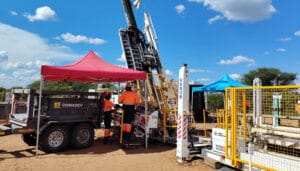
A good example of this is the Democratic Republic of the Congo, where sustainable growth in the mining industry is being supported through the pan-European OP-VET programme. The programme aims to develop vocational training systems in Africa, and I myself serve as a member of its Advisory Board. By strengthening local vocational training through joint European efforts, the programme supports the labour needs of the region’s mining industry. The benefits extend beyond the local level, as buyers can obtain the raw materials and products they need in a more sustainable, responsible, and efficient manner. There is also room for European technology. Above all, young people who have acquired professional skills through this collaboration find employment, which in turn injects vitality into the local economy. The initiative will not fade away like a shooting star once European funding ends, but will continue on a solid commercial footing.
Linking trade and development plays a particularly important role in the case of Ukraine. Despite its small size, Finnpartnership is a significant player in Finland’s cooperation with Ukraine. Currently, more than 70 projects by Finnish companies are underway with the help of Finnpartnership’s financial grants. When we add to this other Finnish projects as well as those from the private sector across Europe, we are seeing significant momentum within Ukraine’s private sector and growth toward Europe. Finnpartnership also supports several Finnish companies whose business activities focus specifically on guiding Ukrainian companies toward compliance with the EU regulatory framework.
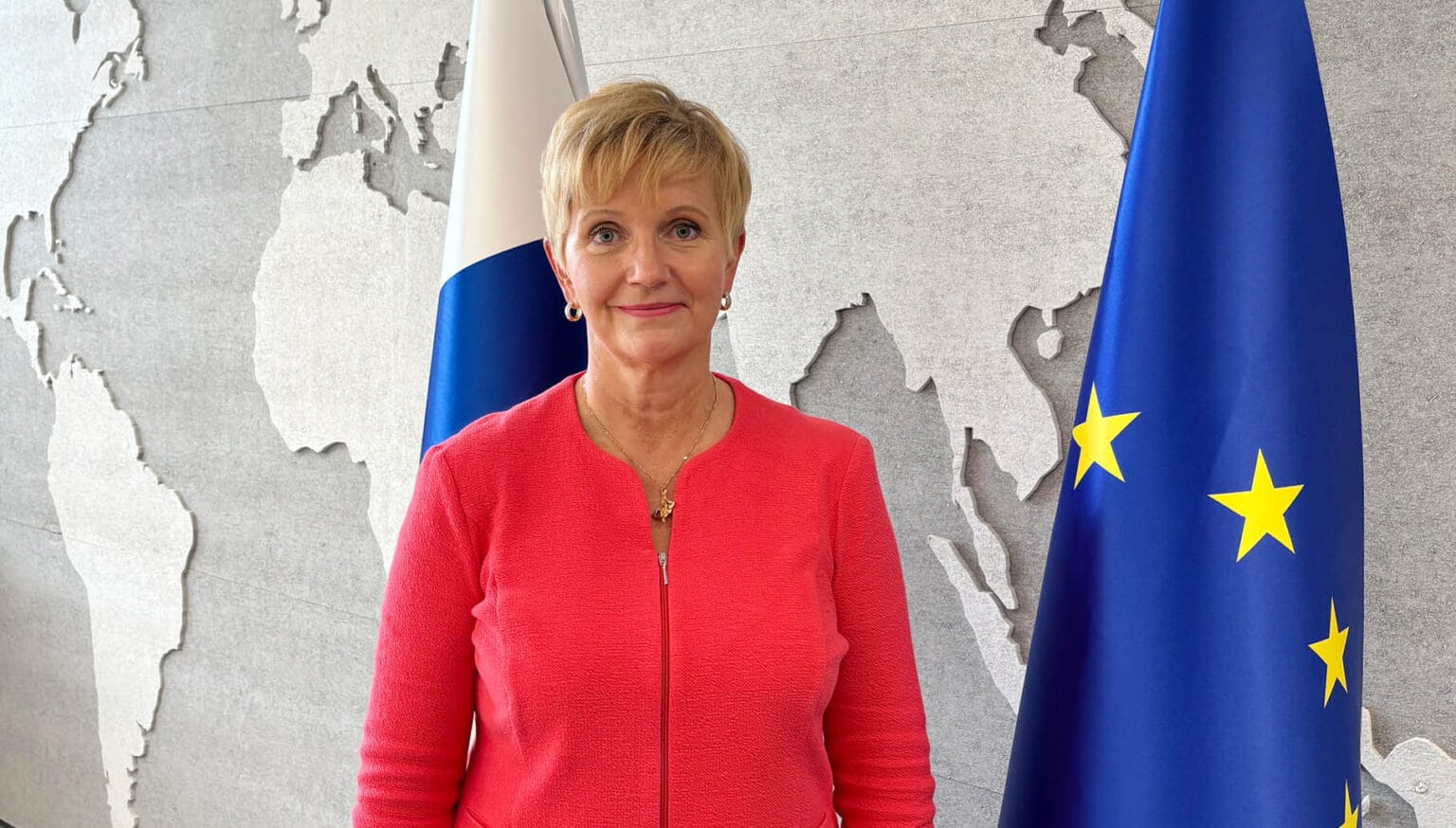
Currently, there are approximately 300 projects by Finnish companies supported by Finnpartnership underway around the world. Let’s all proudly fly the flags of both Finland and the EU! Under those flags, we are part of a larger whole, and our actions have a broader impact, significance, and support.
Share on social media